

Developing sustainable agricultural systems and empowering communities.
RUATI supports agricultural development through climate-smart agriculture, farmer training, value-chain development, youth empowerment, and market linkages across Tanzania.
To achieve this goal, we have identified six key priorities that not only guide our present actions but also shape our future endeavors. These priorities are fundamental to our mission of continually creating value for smallholder farmers, our partners, and the communities we serve. We have set strategies which link agribusinesses to finance, technologies and agro-markets (Input and output markets) with emphasis in value chain development to maximize profits. The following strategies have been put forward.
With over a decade of experience, RUATI actively supports local communities in regions like Ruvuma, Njombe, Iringa, Morogoro and parts of Pwani and Arusha. Our mission focuses on empowering smallholder farmers especially youths and young women to increase their income and improve livelihoods through enhanced value chains. We emphasize climate change adaptation and mitigation by raising community awareness, providing farmer training, and promoting drought-tolerant crops, efficient irrigation, and sustainable soil management.
Nutrition and education are also central to our work. We strengthen school and community feeding programs, promote small-scale agriculture, and encourage climate-smart practices to improve food security and combat malnutrition. Additionally, our reproductive health education initiatives include community campaigns, school programs, media outreach, and training for peer educators, health workers, and local leaders to boost capacity and awareness. To drive long-term impact, RUATI has identified six key strategic priorities. These focus on linking agribusinesses to finance, technology, and agro-markets, with a strong emphasis on value chain development to maximize profits and create sustainable benefits for farmers and communities alike.
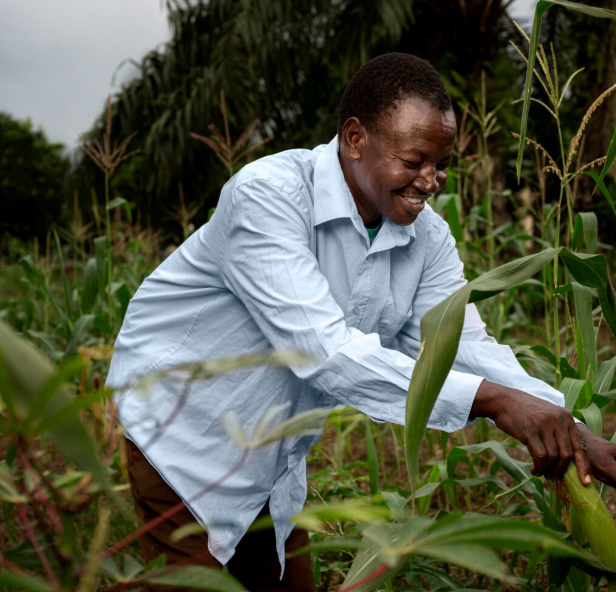
Working with farmer groups is a powerful way to reach many farmers quickly, making extension services and agro-marketing more efficient. By forming and strengthening these groups, RUATI can foster collaboration among farmers who share common challenges and compete to improve their practices. Empowered groups act as hubs for agricultural knowledge, streamlining the flow of information and access to markets. This approach also focuses on building the capacity of farmer groups to manage themselves effectively, encourage savings among members, and engage transparently with partners. Strong organizations help farmers work together honestly and effectively, boosting productivity and opening better market opportunities. Overall, collaborating with farmer groups ensures that agricultural innovations and market access reach more farmers, accelerating success across communities.
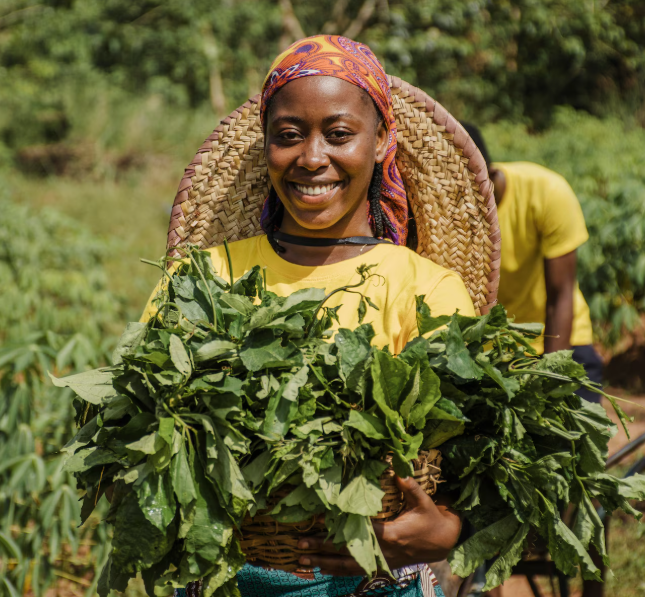
Tanzanian agriculture faces challenges such as low productivity, largely due to limited knowledge of Good Agricultural Practices (GAP) and restricted access to extension services. Government extension coverage is often insufficient, and few non-governmental organizations provide support, leaving many farmers without adequate guidance. Another crucial factor is the reliance on outdated or ineffective agricultural technologies—ranging from tools and machinery to inputs like seeds and fertilizers, as well as irrigation and infrastructure. These deficiencies not only reduce yields but also contribute to environmental degradation. To overcome these hurdles, equipping farmers with both local and imported agricultural technologies tailored to their specific agribusiness needs is essential. This approach ensures the adoption of suitable tools and practices that enhance productivity sustainably. Combining modern innovations with familiar traditional methods can boost efficiency, conserve resources, and improve livelihoods across Tanzania’s diverse farming communities.

This strategy empowers farmers by linking them to vital financial services and training them on both local and imported agricultural technologies. Using a combination of RUATI extension officers and LGA staff, farmers receive practical and theoretical knowledge through Farmer Field Schools, demonstration sites, and study visits tailored to their specific agribusiness needs. In Tanzania, many farmers struggle with limited access to investment capital, which contributes to a high number of smallholder farmers and generally low productivity. To address this, the strategy supports individual farmers, farmer groups, and cooperatives by helping them prepare strong project proposals. These proposals are then submitted to financial institutions, improving their chances of securing funding. Ultimately, this approach aims to enhance technology adoption and financial inclusion, boosting productivity and sustainability in Tanzania's agricultural sector.

In Tanzania, most farmers sell raw agricultural products, allowing middlemen to capture much of the profit from processing and marketing. For example, maize millers earn more income by producing both flour and husks from cereal crops, while farmers receive only the initial sale price for their raw maize. This strategy seeks to empower farmers to develop value chains that fully exploit their crops, livestock, beekeeping, and fisheries products. By supporting farmers to engage in activities such as processing, packaging, and marketing, they can capture more downstream value and increase their earnings. Additionally, encouraging the integration of complementary value chains—such as using crop residues for livestock feed or bees for crop pollination—can boost productivity and sustainability. This approach not only improves farmers’ incomes but also strengthens local economies by reducing dependency on middlemen and diversifying farming enterprises.
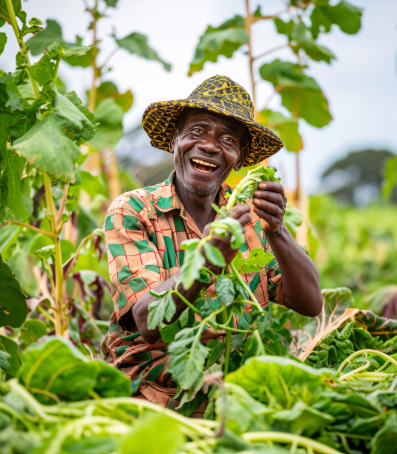
Cross-cutting issues such as environment, gender, nutrition, HIV/AIDS, and youth involvement are vital factors that can either support or hinder development efforts, especially in agriculture. Tackling these challenges head-on helps communities participate more actively in development ventures, protects the production environment, and improves overall health. This strategy focuses on educating communities about these issues while implementing practical actions. For example, it promotes inclusion of youth and women in agribusiness, provides training on nutrition to improve health outcomes, and encourages environmentally friendly practices to conserve natural resources. By raising awareness and integrating solutions for these cross-cutting topics, communities can build stronger, healthier, and more sustainable agricultural systems that benefit everyone involved.
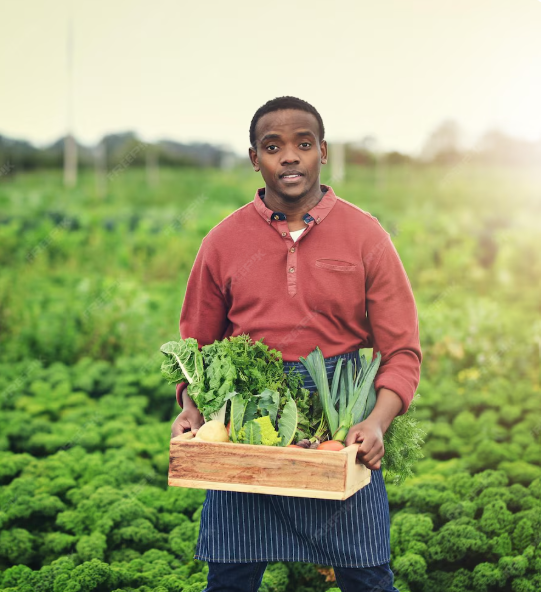
Agriculture is guided by national policies that shape how farmers and agribusinesses operate—from selling agro-inputs to marketing crops and livestock. However, some policies have unintentionally slowed production due to rigid marketing rules. Strategy 6 focuses on creating open dialogue platforms at grassroots, district, and regional levels where stakeholders can discuss challenges and suggest improvements. These forums bring together key players in the agricultural sector, including farmers, marketers, and policymakers. Regular meetings within these forums help identify policy barriers and recommend practical changes to support agribusiness growth. By fostering communication across different levels, this strategy aims to influence better, more flexible policies that encourage innovation and development in agriculture. Ultimately, ongoing advocacy and dialogue ensure that agricultural policies evolve in ways that benefit everyone involved—from the farm gate to the market.